What Happens to Your Brain When You Chant: The Neuroscience of Mantras
fMRI scans, EEG studies, and the discovery of the "Sanskrit Effect" reveal measurable changes in brain structure from mantra practice. Here's what science actually says.
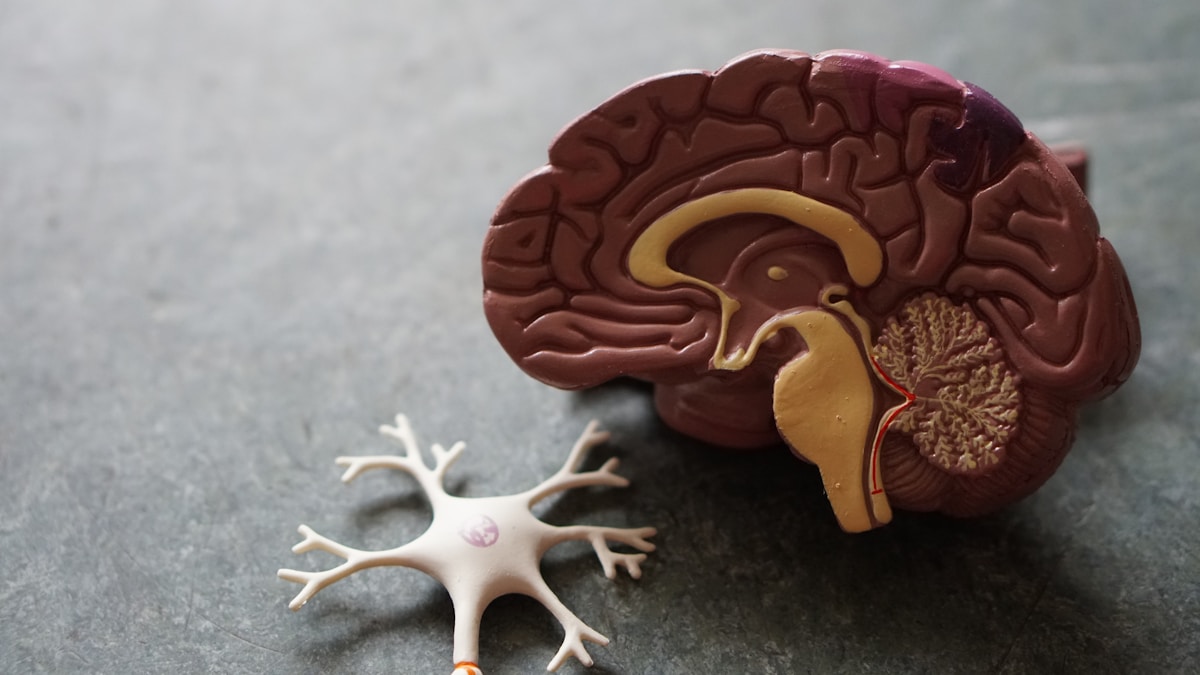
In 2017, neuroscientist Dr. James Hartzell was studying Sanskrit pandits in India when he noticed something remarkable in their brain scans. These professional memorizers, who had committed 40,000 to 100,000 words of Vedic texts to memory, had brains that looked physically different from everyone else's. He called his discovery the "Sanskrit Effect."
This wasn't mysticism or wishful thinking. It was peer-reviewed neuroscience, published in Scientific American and replicated across multiple studies. And it's just one piece of a growing body of research showing that the ancient practice of mantra chanting produces measurable, documented changes in brain structure and function.
Let's look at what the science actually says.
The Sanskrit Effect: 10% More Grey Matter
Dr. Hartzell, working at Spain's Basque Center on Cognition, Brain and Language, along with India's National Brain Research Centre, scanned the brains of 21 Sanskrit pandits who had been memorizing Vedic texts since childhood. He compared them to 21 control subjects matched for age, gender, and handedness.
Key Findings:
What Makes Sanskrit Special?
Is this a "Sanskrit Effect" specifically, or would any intensive memorization produce similar results?
Scientists note these changes reflect proficiency in specific skills rather than overall intelligence improvement. Similar effects might occur with Quran memorization, Torah study, or intense preparation for spelling bees.
However, Sanskrit has unique characteristics that may enhance the effect:
The takeaway? Regular, intensive practice with precisely articulated sounds—especially Sanskrit—produces measurable brain changes.
The OM Chanting Study: Vagus Nerve Activation
A pilot study using functional MRI examined the neurohemodynamic correlates of audible OM chanting. The findings were striking.
During OM chanting, researchers observed significant deactivation in:
These deactivation patterns are consistent with transcutaneous vagus nerve stimulation—suggesting OM chanting may work through the same neural pathways as medical devices designed to treat depression and epilepsy.— International Journal of Yoga, 2011
How Does This Work?
The vagus nerve is the longest cranial nerve, connecting your brain to your heart, lungs, and digestive system. It's the main component of the parasympathetic nervous system—your "rest and digest" mode.
Chanting creates vibrations in the throat and neck that directly stimulate the vagus nerve. Extended exhalation during chanting further amplifies this parasympathetic effect.
Modern medicine has developed vagus nerve stimulation (VNS) devices to treat depression, epilepsy, and inflammation. Remarkably, OM chanting produces brain patterns similar to these medical interventions—for free, with no side effects.
EEG Studies: Brainwave Changes
Recent research (2024-2025) has measured electrical activity in the brain during mantra meditation:
January 2025 Study on OM Chanting
A study measuring EEG power spectral density during OM chanting found significant changes across multiple frequency bands:
The simultaneous increase in both relaxation (alpha) and focus (beta) waves suggests a unique state—relaxed alertness—that's distinct from ordinary waking consciousness or sleep.
The Maha Mantra Study (2024)
Research on the "Hare Krishna" Maha Mantra found that after chanting, relative alpha rhythm strength increased, particularly in central and parietal brain regions. Since alpha waves correlate with relaxed states, this indicates reduced anxiety and depression.
Neuroplasticity: Your Brain Can Change
Perhaps the most exciting finding is that these changes aren't limited to lifelong practitioners. Even relatively short-term practice produces measurable effects.
The 8-Week Study
A 2024 study followed 38 participants through 8 weeks of mantra practice. They measured both EEG (brain waves) and HRV (heart rate variability) before and after.
Results:
This last finding is crucial—it suggests mantra meditation creates an interconnection between neural and cardiovascular regulation.
Brain Structure Changes
Studies show meditation:
A UCLA study found a direct correlation between cortical folding (gyrification) and years of meditation practice—literally more "brain surface area" in long-term meditators.
Emotional Regulation: Quieting the Fear Center
Brain imaging shows chanting quiets activity in the amygdala and anterior cingulate cortex—regions tied to emotional reactivity.
Real-World Studies
Bus Drivers Study: After 4 weeks of OM chanting (20 min/day, 6 days/week), bus drivers' anxiety levels significantly reduced.
Elderly Women Study: After 6 months of OM chanting, elderly women with hypertension showed significant decreases in depression, anxiety, and stress.
The amygdala—our brain's threat detection center—shows reduced activity during and after mantra practice. This isn't just "feeling calm." It's measurable changes in how the brain processes potential threats.
Religious vs. Non-Religious Chanting
Interestingly, research shows differences between religious and secular chanting:
This suggests that meaning and context may affect the neural response—an area ripe for future research.
Heart Rate Variability: The Body-Mind Connection
Heart Rate Variability (HRV) measures the variation in time between heartbeats. Higher HRV is associated with better health, stress resilience, and emotional regulation.
A 2010 discovery found a positive feedback loop between high vagal tone, positive emotions, and good physical health. Higher vagal tone is connected to:
Mantra meditation consistently improves HRV metrics, suggesting it strengthens this positive feedback loop.
🎯 Key Takeaways
- The "Sanskrit Effect" shows 10%+ more grey matter in long-term practitioners
- OM chanting produces brain patterns similar to medical vagus nerve stimulation
- 8 weeks of practice produces measurable changes in brain waves and heart function
- The amygdala (fear center) shows reduced activity during mantra practice
- Sanskrit's phonetic precision may enhance neural effects compared to other sounds
- Benefits include both structural brain changes and improved emotional regulation
How to Apply This Science
The research points to several practical guidelines:
For Maximum Neural Benefits:
The Integration of Ancient and Modern
What's remarkable about this research is how it validates rather than contradicts traditional knowledge. For millennia, practitioners have described specific benefits from mantra practice—calmness, clarity, reduced anxiety, improved memory.
Now we can see these effects in brain scans and EEG readings. We can measure them in heart rate variability. We can photograph the structural changes in grey matter.
This isn't about replacing spiritual practice with science or reducing sacred traditions to neural correlates. It's about understanding the mechanisms through which these practices work—and using that understanding to practice more effectively.
Ready to experience these benefits? Practice mantras with AI-powered pronunciation feedback at Vedic Voice. Our technology helps you develop the precise articulation that neuroscience shows maximizes neural effects.