Maha Kumbh Mela 2025: Inside the World's Largest Human Gathering (400 Million People)
Everything you need to know about Maha Kumbh Mela—the 12-year mega-festival that brings 400 million pilgrims to bathe in sacred rivers for spiritual liberation.
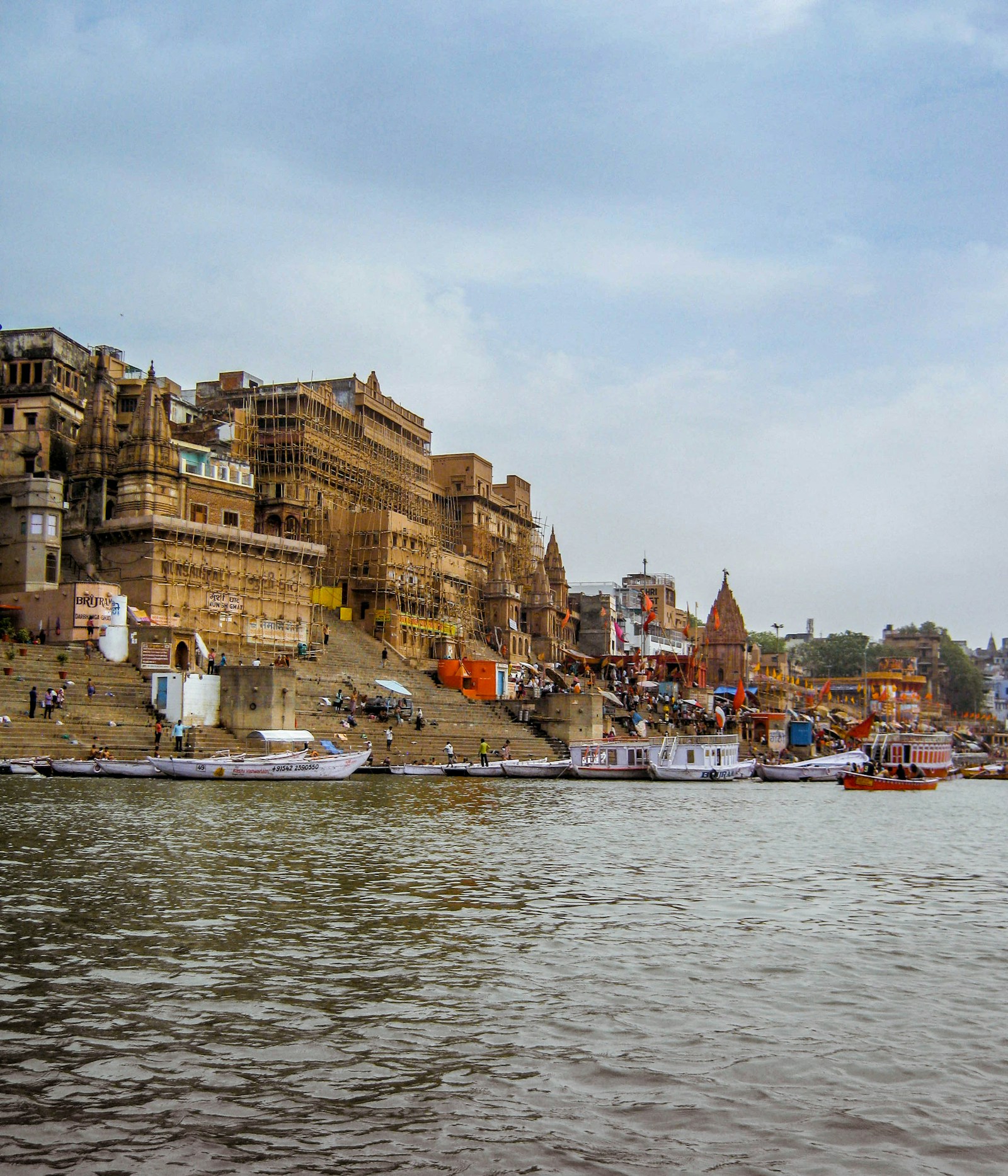
Maha Kumbh Mela 2025: Inside the World's Largest Human Gathering
Imagine 400 million people—more than the entire population of the United States—gathering in one place over 55 days.
This isn't hypothetical. It's happening right now in Prayagraj, India. The Maha Kumbh Mela (January 13 - February 26, 2025) is the largest peaceful gathering in human history. And it only happens once every 12 years.
What Is Kumbh Mela?
The word "Kumbh" means pot—referring to the pot of amrita. "Mela" means fair or gathering.
The four sacred locations:
The Kumbh rotates between these cities, happening every 3 years at one location. But the Maha Kumbh (Great Kumbh) at Prayagraj happens only every 12 years—when Jupiter enters Aries and the Sun enters Capricorn.
2025 Maha Kumbh: The Numbers
To put this in perspective:
The 2019 Kumbh was visible from space. NASA satellites captured the human congregation.
The Sacred Bathing Dates (Shahi Snan)
Not all days are equal. Certain dates—determined by astronomical alignments—are considered especially auspicious:
The Shahi Snan (Royal Bath) is when the akharas (religious orders) lead processions to the river—a spectacular display of naked ash-covered sadhus, elephants, horses, and ancient banners.
Why Do Millions Come?
"One dip in the Sangam during Kumbh washes away the sins of a thousand lifetimes."
— Traditional belief
The motivations are varied:
Spiritual Liberation (Moksha)
The primary draw. Hindus believe bathing at the Sangam during Kumbh:
Once-in-a-Lifetime Opportunity
Maha Kumbh happens once every 12 years. For many, this is their only chance. Average life expectancy means most people can attend 3-5 Maha Kumbhs maximum.
Meeting Living Saints
The rarest, most reclusive sadhus emerge only for Kumbh. Some haven't been seen in public for 12 years. This is the chance to receive darshan (blessing) from enlightened masters.
Community and Belonging
For rural Indians, Kumbh is a reunion of their spiritual community. Entire villages travel together. Families separated by migration reconnect.
The Triveni Sangam
What makes Prayagraj special is the Triveni Sangam—the confluence of three rivers:
You can actually see where the Ganges and Yamuna merge—the water colors are visibly different. The "third river" Saraswati is believed to flow invisibly beneath.
In Hindu cosmology, river confluences are spiritually supercharged. The Triveni Sangam is considered the most powerful point on Earth for spiritual transformation.
The Naga Sadhus
Key facts about Nagas:
The largest akhara (Juna Akhara) has over 500,000 members. Their procession during Shahi Snan is an unforgettable spectacle of naked, ash-covered bodies, saffron flags, elephants, and ancient chants.
The Temporary City
Kumbh Mela requires building a temporary city larger than most permanent cities:
Infrastructure Built (then dismantled)
How It Works
The logistics are studied by urban planners worldwide as an example of rapid city deployment.
The Akhara System
The spiritual heart of Kumbh is the akhara system—ancient religious orders dating back 2,500+ years:
The 13 Traditional Akharas
Shaiva Akharas (7) - Worship Shiva:
Vaishnava Akharas (3) - Worship Vishnu
Udaseen Akharas (3) - Sikh-connected
Each akhara has:
Mantras for Kumbh
The most powerful mantras to chant at Kumbh:
Ganga Aarti Mantra
ॐ जय गंगे माता, मैया जय गंगे माता
Triveni Sangam Prayer
त्रिवेणी संगम पर, पाप हरो भगवान
Maha Mrityunjaya Mantra
ॐ त्र्यम्बकं यजामहे सुगन्धिं पुष्टिवर्धनम्
उर्वारुकमिव बन्धनान्मृत्योर्मुक्षीय मामृतात्
Practical Guide: Visiting Kumbh
Getting There
What to Bring
What to Expect
Safety Tips
The Deeper Significance
🎯 Key Takeaways
- Maha Kumbh Mela is the largest peaceful human gathering on Earth
- It happens every 12 years at Prayagraj when celestial alignments are perfect
- 400 million pilgrims are expected in 2025 over 55 days
- The Triveni Sangam (confluence of 3 rivers) is considered the most spiritually powerful point on Earth
- Naga sadhus and 13 akharas lead ancient processions dating back 2,500 years
- A temporary city of 45 km² is built and then dismantled
- Bathing on auspicious dates is believed to grant liberation from the cycle of rebirth
Kumbh Mela represents something that's increasingly rare in the modern world: millions of people gathering for something other than commerce or entertainment. They come for the soul.
Whether you believe in the spiritual benefits or not, witnessing 100 million people chanting, bathing, and praying together is a profound human experience.
Prepare for the Sacred Waters
The mantras chanted at Kumbh Mela have been the same for millennia. Learn to pronounce them correctly before your pilgrimage with Vedic Voice's AI-powered Sanskrit guide—so your chants carry the full power of the tradition.