Back to Blog
MantrasJanuary 21, 202511 min read

Mahamrityunjaya Mantra: The Great Death-Conquering Mantra

Learn the Mahamrityunjaya Mantra for healing and protection. Complete guide with pronunciation, meaning, and traditional practice methods.
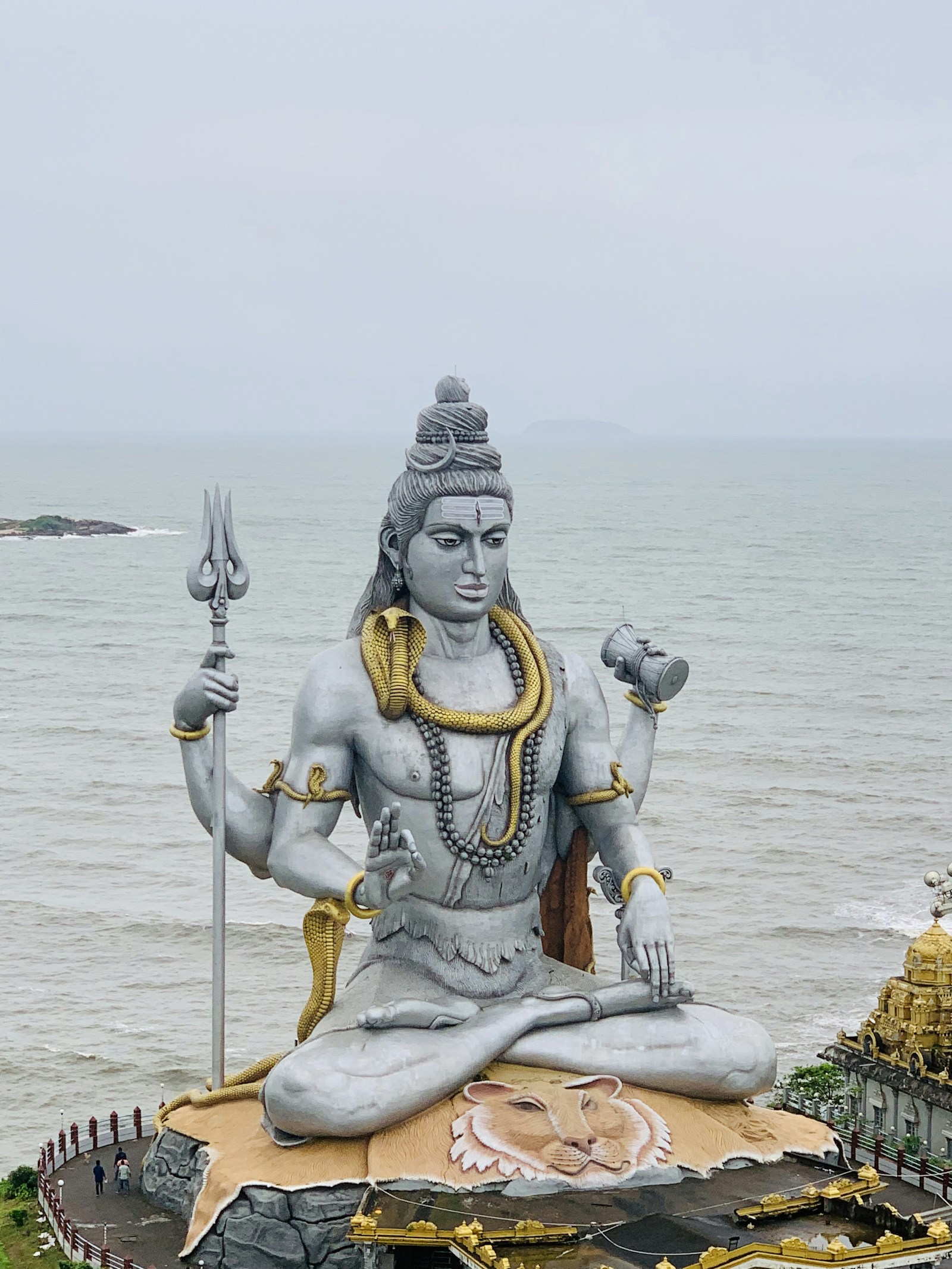


Lord Shiva statue at Murudeshwar Temple Karnataka India
The Mahamrityunjaya Mantra: Ancient healing wisdom in sound form

Mahamrityunjaya Mantra: The Great Death-Conquering Mantra

The Mahamrityunjaya Mantra is one of the most powerful mantras in Vedic tradition. Known as the "great death-conquering mantra," it's chanted for healing, protection, and spiritual liberation.


The Sacred Text

In Devanagari:

ॐ त्र्यम्बकं यजामहे

सुगन्धिं पुष्टिवर्धनम्।

उर्वारुकमिव बन्धनान्

मृत्योर्मुक्षीय मामृतात्॥

In Transliteration:

Oṃ tryambakaṃ yajāmahe

Sugandhiṃ puṣṭivardhanam

Urvārukamiva bandhanān

Mṛtyormukṣīya māmṛtāt


Practice This Mantra

Listen to the pronunciation and start learning


The Meaning Decoded

Line 1: ॐ त्र्यम्बकं यजामहे

WordMeaning

OmPrimordial sound
TryambakamThree-eyed one (Shiva)
YajāmaheWe worship/honor

"Om, we worship the three-eyed one"

Line 2: सुगन्धिं पुष्टिवर्धनम्

WordMeaning

SugandhimFragrant/sweet smelling
PuṣṭiNourishment/prosperity
VardhanamOne who increases/promotes

"The fragrant one who increases prosperity"

Line 3: उर्वारुकमिव बन्धनान्

WordMeaning

UrvārukamCucumber/gourd
IvaLike
BandhanātFrom bondage

"Like a cucumber from its stem"

Line 4: मृत्योर्मुक्षीय मामृतात्

WordMeaning

MṛtyorFrom death
MukṣīyaMay I be liberated
MāNot
AmṛtātFrom immortality

"May I be freed from death, not from immortality"

Complete Translation

"We worship the three-eyed one (Lord Shiva) who is fragrant and who nourishes all beings. Like a cucumber naturally separates from its vine when ripe, may I be liberated from death, but not from immortality."


Pronunciation Guide

Critical Sounds

Tryambakam (त्र्यम्बकम्):

  • "Tr" is a conjunct—the tongue taps quickly

  • Don't add a vowel: NOT "tuh-ryam" but "tryam"

  • The "y" flows directly from the "r"
  • Sugandhim (सुगन्धिम्):

  • "Gandh" has an aspirated "dh"

  • The "m" at the end is anusvara—nasal resonance
  • Puṣṭivardhanam (पुष्टिवर्धनम्):

  • "Ṣṭi" - retroflex "sh" followed by retroflex "t"

  • "Vardh" - the "dh" is aspirated

  • Common mistake: saying "pushti" with dental sounds
  • Urvārukam (उर्वारुकम्):

  • Long "ā" in "vā"

  • The metaphor is specific—a ripe cucumber naturally falls
  • Mṛtyormukṣīya (मृत्योर्मुक्षीय):

  • "Mṛ" - vocalic r, like American "murder"

  • "Kṣī" - conjunct of k+sh followed by long "ī"

  • The Cucumber Metaphor

    The metaphor of the cucumber (urvāruka) is profound:

    When a cucumber is unripe, pulling it from the vine damages both. When fully ripe, it naturally separates without effort or damage.

    Spiritual meaning:

  • Don't force liberation—let it ripen naturally

  • Death should be like a natural release, not a violent separation

  • Spiritual maturity comes through practice, not force

  • Traditional Practice Methods

    For Healing

    When: During illness, after accidents, before surgery

    Method:

  • Sit or lie comfortably

  • If possible, face East or North

  • Chant 108 times (one mala)

  • Visualize healing light enveloping the body

  • Can be chanted by family for the ill person
  • For Protection

    When: Before travel, during danger, for safety

    Method:

  • Chant 11 or 21 times

  • Visualize a protective shield

  • Can be done quickly in emergencies
  • For Spiritual Practice

    When: Daily sadhana, Maha Shivaratri, Mondays

    Method:

  • Early morning (Brahma Muhurta)

  • 108 repetitions minimum

  • With japa mala (rudraksha preferred)

  • Focus on meaning, not just repetition

  • When to Use This Mantra

    Recommended Situations

  • Illness: For yourself or loved ones

  • Fear: When facing dangers or anxieties

  • Grief: After loss, during mourning

  • Transitions: Major life changes, moving, new beginnings

  • Surgery: Before and after medical procedures

  • Protection: Travel, dangerous situations

  • Spiritual practice: Daily meditation
  • Traditional Occasions

  • Maha Shivaratri: Night-long chanting

  • Mondays: Shiva's day

  • Pradosha: 13th lunar day

  • During eclipses: Especially powerful time

  • Death anniversaries: For ancestors

  • The Maha Mrityunjaya Homa

    For serious situations, Vedic priests perform the Maha Mrityunjaya Homa (fire ceremony):

    Components:

  • Sacred fire altar

  • Offerings of ghee, herbs, and grains

  • 125,000+ repetitions of the mantra

  • Multiple priests chanting

  • Spans several days
  • This is considered the most powerful application for healing serious illness.


    Modern Research Perspective

    While spiritual benefits can't be measured scientifically, research on mantra meditation shows:

  • Reduced anxiety: Regular practice decreases stress markers

  • Improved immune function: Some studies suggest benefits

  • Pain management: Meditation can help with chronic pain

  • Placebo plus: Even skeptics benefit from the relaxation response
  • The traditional claim of "conquering death" might be understood as:

  • Reducing fear of death

  • Extending quality (if not quantity) of life

  • Spiritual preparation for the inevitable

  • Precautions and Traditions

    Traditional Guidelines

  • Initiation: Some traditions require guru initiation for this mantra

  • Purity: Clean body and clean space recommended

  • Dietary restrictions: Some observe vegetarianism during intensive practice

  • Mental state: Shouldn't be chanted with anger or negative intentions
  • Modern Approach

    Many teachers now make this mantra accessible to all sincere seekers. The key factors are:

  • Correct pronunciation (as close as possible)

  • Understanding the meaning

  • Sincere intention

  • Regular practice

  • Combining with Other Practices

    Before Mahamrityunjaya:

  • Ganesh mantra (remove obstacles)

  • Pranayama (breathing exercises)

  • Meditation to calm mind
  • After Mahamrityunjaya:

  • Silent meditation

  • Shanti mantras

  • Gratitude practice
  • In illness:

  • Combine with medical treatment (never replace!)

  • Family members can chant for the patient

  • Create healing environment with mantra audio

  • Begin Your Practice

    The Mahamrityunjaya Mantra is a profound practice for anyone seeking healing, protection, or spiritual depth. Its power lies not in magic but in the transformation it creates through sincere repetition.

    Start with 11 repetitions daily. Focus on pronunciation first, then meaning, then feeling. Let the practice deepen naturally over time.


    Practice Mahamrityunjaya Mantra with AI pronunciation feedback at Vedic Voice.

    Practice What You've Learned

    Get AI-powered pronunciation feedback on mantras like Gayatri, Om Namah Shivaya, and more.

    Try Free