Hare Krishna Mahamantra: Complete Chanting Guide
Learn to chant the Hare Krishna Mahamantra with proper pronunciation. Understand its meaning, history, and the transformative power of this universal mantra.
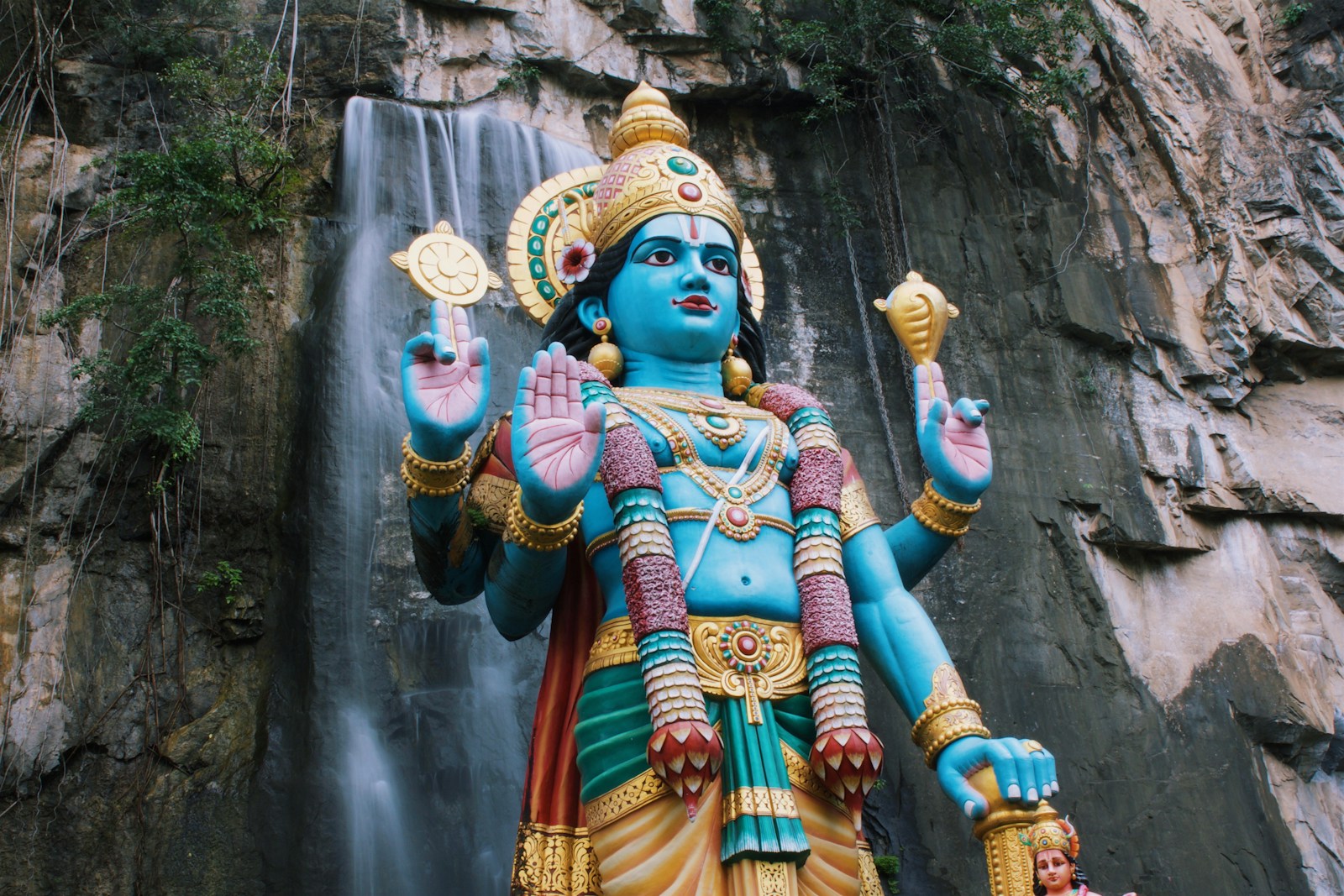
Hare Krishna Mahamantra: Complete Chanting Guide
The Hare Krishna Mahamantra is perhaps the most widely recognized mantra in the Western world. Its simple structure and profound effects have made it a cornerstone of devotional practice globally.
The Sacred Mantra
हरे कृष्ण हरे कृष्ण
कृष्ण कृष्ण हरे हरे
हरे राम हरे राम
राम राम हरे हरे
In Transliteration:
Hare Kṛṣṇa Hare Kṛṣṇa
Kṛṣṇa Kṛṣṇa Hare Hare
Hare Rāma Hare Rāma
Rāma Rāma Hare Hare
Practice This Mantra
Listen to the pronunciation and start learning
Understanding the Names
Hare (हरे)
"Hare" is the vocative form of "Harā"—a name for Radha, Krishna's divine consort, representing the feminine divine energy (Shakti).
It can also be understood as:
Krishna (कृष्ण)
Krishna means "the all-attractive one" or "the dark one."
Etymology:
Rama (राम)
Rama means "one who gives pleasure" or "the source of all joy."
Two Interpretations:
Pronunciation Guide
Krishna (कृष्ण)
This is the most commonly mispronounced word:
Correct: Kṛṣṇa (approximately "Krish-na")
Hare (हरे)
Rama (राम)
The Structure
The Mahamantra has a beautiful symmetry:
First half: Focuses on Krishna
Hare Kṛṣṇa Hare Kṛṣṇa
Kṛṣṇa Kṛṣṇa Hare Hare
Second half: Focuses on Rama
Hare Rāma Hare Rāma
Rāma Rāma Hare Hare
Total: 16 words (considered auspicious)
History and Tradition
Vedic Origins
The Mahamantra appears in:
Chaitanya Mahaprabhu (1486-1534)
The 16th-century saint popularized this mantra through:
ISKCON and the West
A.C. Bhaktivedanta Swami Prabhupada brought the mantra to the West in 1966, founding ISKCON (International Society for Krishna Consciousness).
How to Practice
Japa (Personal Chanting)
Traditional Method:
Counting:
Kirtan (Congregational Chanting)
Singing the mantra in groups with:
Mental Japa
Silently repeating the mantra in the mind:
The Experience of Chanting
Stages of Practice
1. Nama-aparadha (Offensive chanting)
Early stage with distractions and mechanical repetition.
2. Nama-abhasa (Shadow of the name)
Beginning to feel the effects, occasional absorption.
3. Shuddha-nama (Pure chanting)
Complete absorption, taste for the holy name.
What to Expect
Benefits According to Tradition
Spiritual Benefits
Practical Benefits
The Unique Promise
According to Gaudiya Vaishnava theology, the holy name is non-different from Krishna himself. Chanting is direct contact with the Divine—not symbolic, but actual.
Common Questions
Q: Can anyone chant?
Yes. The Hare Krishna Mahamantra is considered universal—no restrictions by birth, gender, or background.
Q: Do I need to be vegetarian?
ISKCON practitioners typically are vegetarian. However, you can begin chanting without dietary changes. Let the practice inspire changes naturally.
Q: What about the "Hare Krishna" stereotype?
The movement has evolved significantly since the 1970s. Modern practitioners come from all backgrounds and live normal lives while maintaining their spiritual practice.
Q: Is it a form of meditation?
Yes—mantra meditation. It combines:
Tips for New Practitioners
1. Start Small
Begin with one round (108) and build gradually.
2. Consistency Over Quantity
Daily practice of 1 round beats occasional practice of 16.
3. Use Quality Beads
Tulsi beads are traditional. Good beads make practice easier.
4. Find Community
Chanting with others accelerates progress and provides support.
5. Learn the Philosophy
Understanding deepens practice. Read the Bhagavad Gita.
The Universal Appeal
What makes the Hare Krishna Mahamantra special:
Whether you approach it as spiritual practice, stress relief, or cultural exploration, the Mahamantra offers something for everyone.
Practice the Hare Krishna Mahamantra with AI pronunciation feedback at Vedic Voice.