Back to Blog
ScienceJanuary 24, 202515 min read

The Science of Yoga: 50 Years of Research on What Actually Works

From reduced cortisol to increased gray matter—a comprehensive look at what 5 decades of scientific studies reveal about yoga's measurable benefits.
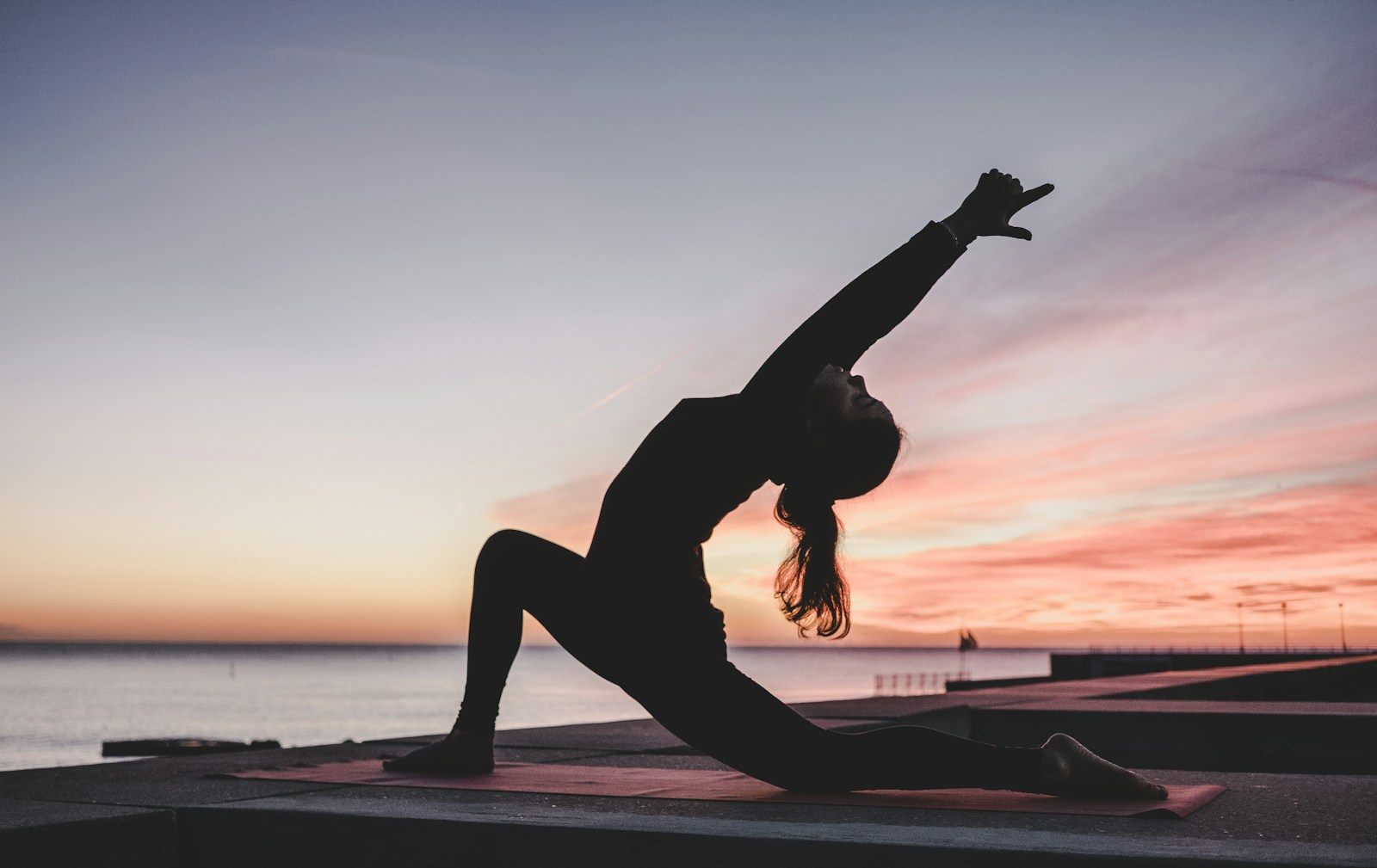


Person practicing yoga pose in natural setting

The Science of Yoga: 50 Years of Research on What Actually Works

Yoga has gone from "that weird thing hippies do" to a $80 billion global industry. But does it actually work? And if so, how?

The good news: We have over 50 years of scientific research to answer these questions. Thousands of peer-reviewed studies have examined yoga's effects on everything from back pain to depression to brain structure.

Let's cut through the marketing and look at what science actually shows.


The Research Landscape

3,000+
peer-reviewed studies on yoga (PubMed)
$37 million
NIH funding for yoga research (2023)
36 million
Americans practice yoga
21%
reduction in anxiety symptoms (meta-analysis)

Research quality has improved dramatically:

  • 1970s-80s: Small studies, poor controls

  • 1990s-2000s: Larger studies, better methodology

  • 2010s-present: Randomized controlled trials, brain imaging
  • We now have enough data to make confident statements about what yoga does—and doesn't—do.


    What Yoga DEFINITELY Does (Strong Evidence)

    1. Reduces Chronic Lower Back Pain

    This is yoga's most well-established medical benefit. A 2017 Cochrane review (gold standard) found:

  • Moderate certainty that yoga improves back function

  • Effects comparable to other exercise interventions

  • Benefits persist for at least 6 months
  • The American College of Physicians now officially recommends yoga as a first-line treatment for chronic lower back pain (before medication).

    2. Decreases Stress and Cortisol

    Multiple studies confirm yoga lowers cortisol (the stress hormone):


    📌Key Finding

    A 2017 study of 52 women found 12 weeks of yoga reduced cortisol levels, blood pressure, and perceived stress significantly more than control groups.

    The mechanism is well understood:

  • Yoga activates the parasympathetic nervous system

  • This shifts the body from "fight or flight" to "rest and digest"

  • Sustained practice creates lasting changes in baseline stress response
  • 3. Improves Flexibility and Balance

    This seems obvious, but it's scientifically verified:

  • 35% average improvement in flexibility after 8 weeks

  • Significant improvement in balance (especially in elderly)

  • Reduced fall risk in seniors who practice regularly
  • 4. Reduces Symptoms of Anxiety and Depression

    A 2016 meta-analysis of 17 studies found:

  • Yoga significantly reduces anxiety symptoms

  • Effects are moderate but consistent

  • Works as well as other relaxation techniques
  • For depression, a 2017 meta-analysis showed:

  • Significant reduction in depressive symptoms

  • May work as adjunct to therapy/medication

  • Not recommended as sole treatment for major depression

  • What Yoga PROBABLY Does (Moderate Evidence)

    5. Improves Heart Health Markers

    Research suggests yoga may:

  • Lower blood pressure (especially in hypertensive patients)

  • Reduce LDL cholesterol

  • Decrease heart rate variability (positive indicator)
  • A 2014 meta-analysis found yoga improved cardiovascular risk factors comparably to aerobic exercise.

    6. Helps with Insomnia

    Multiple studies show improvements in:

  • Sleep quality

  • Time to fall asleep

  • Reduced need for sleep medication
  • The "Yoga Nidra" practice (guided relaxation) shows particularly strong effects.

    7. Reduces Inflammation

    Preliminary research shows yoga practitioners have:

  • Lower levels of inflammatory markers (IL-6, CRP)

  • Better immune function

  • Reduced inflammatory response to stress
  • This may explain some of yoga's benefits for chronic conditions.


    The Brain Changes (Fascinating Research)

    Gray Matter Increases

    MRI studies show regular yoga practitioners have:

  • Larger hippocampus (memory center)

  • Thicker prefrontal cortex (executive function)

  • More gray matter in areas related to:

  • - Body awareness
    - Attention
    - Self-regulation

    A 2019 study found just 8 weeks of yoga increased gray matter density in the:

  • Insula (interoception)

  • Hippocampus (memory)

  • Cingulate cortex (emotion regulation)
  • Default Mode Network Changes

    The brain's "default mode network" (active when we're mind-wandering) shows different patterns in yoga practitioners:

  • Less activity during meditation

  • Better ability to disengage from rumination

  • Similar patterns to experienced meditators
  • This may explain yoga's benefits for anxiety and depression.


    What Yoga Probably DOESN'T Do

    Let's be honest about the limitations:

    ❌ Cure Cancer


    There's no evidence yoga cures cancer. It may help with:
  • Treatment side effects

  • Quality of life

  • Anxiety about diagnosis

  • But it's not a treatment for the disease itself.

    ❌ Replace Cardiovascular Exercise


    Yoga doesn't provide the same cardiovascular benefits as running or cycling. Your heart rate typically doesn't elevate enough.

    Exception: Some vigorous vinyasa/power yoga approaches aerobic intensity.

    ❌ Build Significant Muscle Mass


    While yoga builds some strength, it won't produce significant hypertrophy (muscle growth). You'll need resistance training for that.

    ❌ "Detox" Your Body


    This claim has no scientific basis. Your liver and kidneys handle detoxification. Yoga doesn't accelerate this process.


    The Yoga + Mantra Connection


    📌Enhanced Effects

    Studies show combining yoga with mantra chanting produces greater benefits than either alone.

    Research on mantra + yoga:

  • 2018 study: Yoga + mantra reduced PTSD symptoms more than yoga alone

  • 2019 study: Kirtan Kriya (mantra + movement) improved memory in Alzheimer's patients

  • 2020 study: Chanting during yoga increased vagal tone more than silent practice
  • The mechanism:

  • Mantra creates rhythmic breathing patterns

  • Vocalization stimulates the vagus nerve

  • The combination amplifies parasympathetic activation

  • Which Style Works Best?

    Research has compared different yoga styles:

    StyleBest ForEvidence Level

    HathaGeneral wellnessStrong
    IyengarBack pain, alignmentStrong
    VinyasaFitness, weight lossModerate
    YinFlexibility, relaxationModerate
    KundaliniMental healthModerate
    Bikram/HotFlexibilityWeak (safety concerns)

    For most health benefits, any consistent practice works. Style matters less than regularity.


    The Dosage Question

    How much yoga do you need?

    For Stress Reduction


  • Minimum: 1 hour/week shows benefits

  • Optimal: 2-3 sessions/week

  • More isn't always better: Daily practice shows diminishing returns
  • For Back Pain


  • Most studied: 12-week programs, 2x/week

  • Maintenance: 1x/week after initial improvement
  • For Brain Changes


  • Gray matter changes: Observed after 8+ weeks

  • Long-term practitioners: More pronounced changes

  • Consistency matters more than intensity

  • The Breath Factor (Pranayama)

    Often overlooked, pranayama (breathing exercises) shows independent benefits:

    Slow Breathing (5-6 breaths/minute)


  • Activates parasympathetic system

  • Reduces blood pressure

  • Improves heart rate variability
  • Alternate Nostril Breathing


  • Reduces anxiety

  • May balance brain hemisphere activity

  • Improves focus
  • Kapalabhati ("Skull Shining")


  • Increases alertness

  • May improve lung capacity

  • Activates sympathetic system (energizing)

  • How to Start (Evidence-Based)

    Based on research, here's the optimal approach:

    Week 1-4: Foundation


  • 2 sessions/week, 30-45 minutes

  • Focus on basic poses and breathing

  • Gentle style (Hatha, gentle Vinyasa)
  • Month 2-3: Building


  • Increase to 3 sessions/week

  • Add pranayama (5 minutes/session)

  • Experiment with styles
  • Month 4+: Maintenance


  • Find sustainable rhythm (2-4x/week)

  • Add mantra if interested

  • Regular teacher guidance helps

  • Key Takeaways

    🎯 Key Takeaways

    • Yoga is clinically proven for chronic lower back pain (official medical recommendation)
    • Stress reduction through cortisol lowering is well-established
    • Brain changes (more gray matter) occur with regular practice
    • Yoga reduces anxiety and depression symptoms but isn't a replacement for treatment
    • Combining yoga with mantra produces greater effects than either alone
    • Consistency matters more than intensity—2-3 times/week is optimal
    • Some claims (detox, cancer cure) have no scientific support


    The Ancient Wisdom, Verified

    What's remarkable is how much traditional yoga teaching aligns with modern findings:

  • Ancient texts emphasized breath awareness → Science shows it regulates the nervous system

  • Yoga teaches present-moment focus → Studies show reduced default mode network activity

  • Traditions combined movement with mantra → Research shows enhanced effects
  • The yogis didn't have fMRI machines, but they discovered through millennia of practice what neuroscience now confirms.


    Add Mantra to Your Practice

    Research shows combining yoga with Sanskrit mantras enhances benefits. Learn to pronounce traditional mantras correctly with Vedic Voice's AI pronunciation guide—bringing the full power of the integrated practice to your yoga journey.


    Sources

  • Cramer, H. et al. "Yoga for chronic low back pain." Cochrane Database (2017)

  • Pascoe, M. et al. "Yoga, mindfulness-based stress reduction and stress-related physiological measures." Psychoneuroendocrinology (2017)

  • Gothe, N. et al. "Yoga practice improves executive function." J Gerontol (2014)

  • Streeter, C. et al. "Effects of yoga on thalamic gamma-aminobutyric acid." J Altern Complement Med (2010)

  • National Center for Complementary and Integrative Health (NIH)

  • Villemure, C. et al. "Neuroprotective effects of yoga practice." Front Hum Neurosci (2015)

  • Practice What You've Learned

    Get AI-powered pronunciation feedback on mantras like Gayatri, Om Namah Shivaya, and more.

    Try Free