Back to Blog
MantrasJanuary 21, 202510 min read

Shiva Tandava Stotram: The Dance of Cosmic Destruction

Explore the powerful Shiva Tandava Stotram by Ravana. Learn its meaning, pronunciation challenges, and the cosmic symbolism of Shiva's dance.
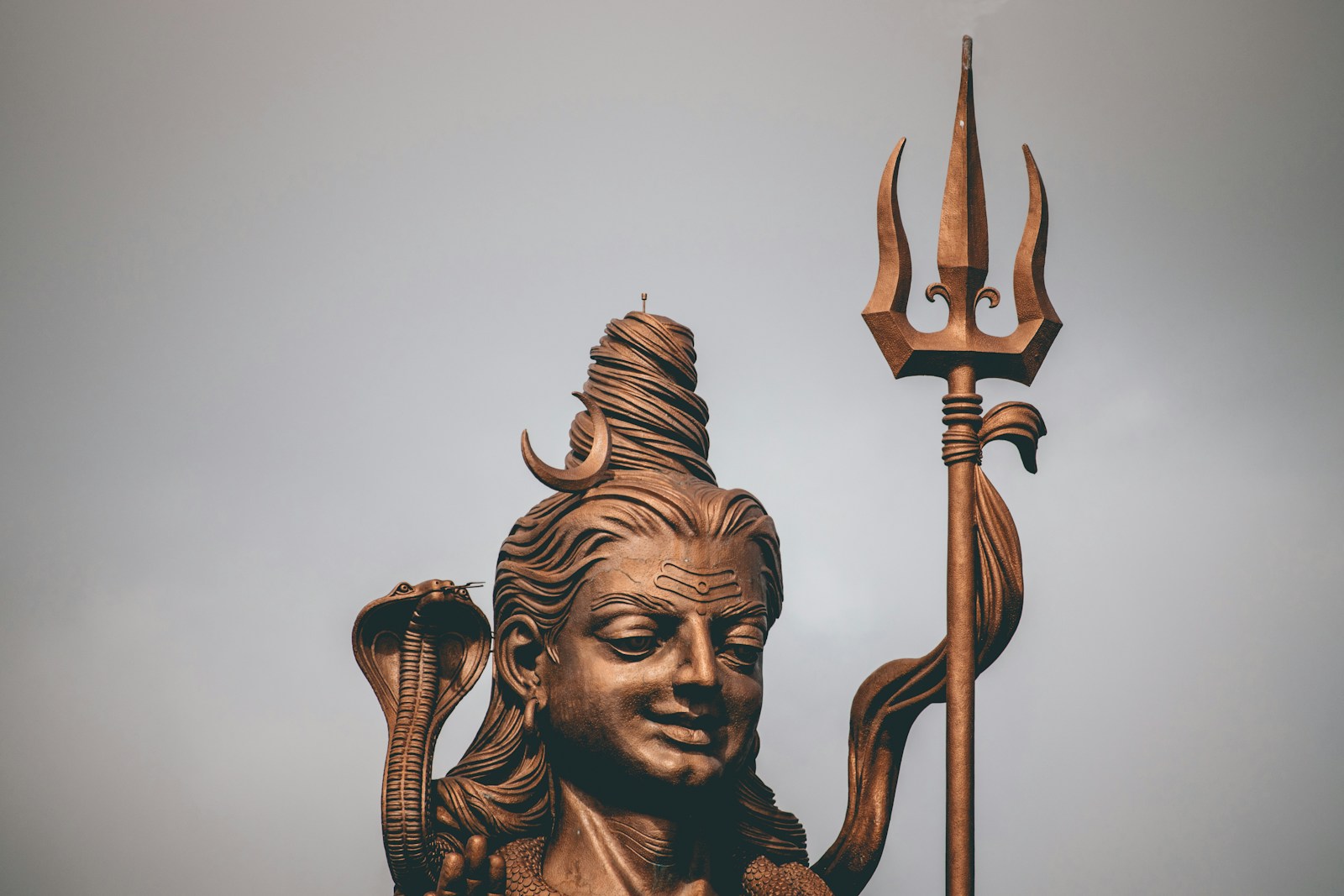


Mangal Mahadev 108-foot Lord Shiva statue at Grand Bassin Mauritius
Shiva Tandava: The eternal rhythm of creation and destruction

Shiva Tandava Stotram: The Dance of Cosmic Destruction

The Shiva Tandava Stotram is perhaps the most intense and rhythmically powerful hymn in Sanskrit literature. Attributed to Ravana, the demon king of Lanka, it describes Shiva's cosmic dance with vivid, thundering verses.


The Opening Verse

In Devanagari:

जटाटवीगलज्जलप्रवाहपावितस्थले

गलेऽवलम्ब्य लम्बितां भुजङ्गतुङ्गमालिकाम्।

डमड्डमड्डमड्डमन्निनादवड्डमर्वयं

चकार चण्डताण्डवं तनोतु नः शिवः शिवम्॥

Transliteration:

Jaṭāṭavīgalajjalapravāhapāvitasthale

Gale'valambya lambitāṃ bhujaṅgatuṅgamālikām

Ḍamaḍḍamaḍḍamaḍḍamanninādavaḍḍamarvayaṃ

Cakāra caṇḍatāṇḍavaṃ tanotu naḥ śivaḥ śivam


Practice This Mantra

Listen to the pronunciation and start learning


Who Wrote It?

The Ravana Legend

Tradition attributes this stotra to Ravana—the ten-headed demon king:

  • Despite being an antagonist in the Ramayana, Ravana was a great Shiva devotee

  • He was learned in Vedas and a master musician

  • His devotion to Shiva was so intense that he once tried to lift Mount Kailash

  • Shiva, pleased by his devotion, granted him boons
  • The Composition Story

    Legend says Ravana composed this hymn to please Shiva after being pinned under Kailash. The rhythmic intensity reflects his desperate devotion.


    Understanding the Tandava

    What is Tandava?

    Tandava is Shiva's cosmic dance, representing:

  • Creation (Srishti): The dance that brings worlds into being

  • Preservation (Sthiti): The ongoing rhythm of existence

  • Destruction (Samhara): The dance of dissolution

  • Illusion (Tirobhava): The veiling of truth

  • Grace (Anugraha): The dance of liberation
  • The Image of Nataraja

    The famous Nataraja statue captures this dance:

  • Drum (Damaru): Sound of creation

  • Fire: Destruction

  • Raised foot: Liberation

  • Demon underfoot: Ignorance conquered

  • Ring of fire: Cosmic cycle

  • Poetic Features

    The Rhythm

    The stotra uses an unusual meter that mimics the sound of drums:

    डमड्डमड्डमड्डमन्निनाद (Ḍamaḍḍamaḍḍamaḍḍamanninada)

    This repeated "ḍam" sound creates the effect of Shiva's damaru drum.

    Compound Words

    The stotra features extraordinarily long compound words:

    जटाटवीगलज्जलप्रवाहपावितस्थले

    This single word means: "On the place purified by the flow of water cascading from the forest of matted locks."

    Imagery

    Vivid descriptions throughout:

  • Snakes coiling around his neck

  • The crescent moon in his hair

  • Ganges flowing from his head

  • Fire consuming the universe

  • The drum's rhythmic beat

  • Pronunciation Challenges

    This stotra is considered advanced Sanskrit. Key challenges:

    The "Ḍam" Sound

  • Retroflex "Ḍ" (tongue curled back)

  • Must be distinct and percussive

  • Repeated rapidly
  • Compound Words

    Breaking down long compounds:

  • जटाटवी (jaṭāṭavī) = forest of matted hair

  • गलज्जल (galajjala) = flowing water

  • प्रवाह (pravāha) = stream/flow

  • पावित (pāvita) = purified

  • स्थले (sthale) = on the place
  • Breath Control

    The long compounds require:

  • Good breath capacity

  • Strategic breathing points

  • Maintaining rhythm

  • The Cosmic Imagery

    Each verse paints vivid pictures:

    Verse 1 Imagery


  • Matted hair like a forest

  • Ganges flowing from the hair

  • Snake garlands on the neck

  • The thundering drum
  • Verse 2 Imagery


  • Fire of the third eye

  • Crescent moon crown

  • Ash-smeared body

  • Wild dancing
  • Themes Throughout


  • Ferocity and grace combined

  • Destruction and creation united

  • Terror and beauty merged

  • Death and immortality dancing together

  • Spiritual Significance

    Beyond Destruction

    Shiva's tandava is not simply about destruction. It represents:

  • Transformation: Ending what must end for renewal

  • Rhythm of existence: Everything dances—atoms, planets, galaxies

  • Liberation: Freedom from attachment to forms

  • Ultimate reality: Beyond creation and destruction
  • The Devotee's Dance

    By chanting this stotra, devotees symbolically participate in the cosmic dance, aligning with universal rhythms.


    Practice Approach

    Learning Strategy

    Given the complexity, approach systematically:

  • Listen first: Hear authentic renditions many times

  • Learn slowly: One verse per week initially

  • Understand meanings: Study each compound word

  • Feel the rhythm: Let the drumbeat emerge naturally

  • Build stamina: The stotra requires breath control
  • When to Chant

  • Maha Shivaratri: The great night of Shiva

  • Mondays: Shiva's day

  • Pradosha: Auspicious evening times

  • During meditation: For intense focus

  • When seeking transformation: Major life changes

  • The Complete Practice

    Traditional Setting

  • Evening or night (Shiva's time)

  • Quiet, clean space

  • Light a lamp

  • Sit facing North or East

  • Center yourself with deep breaths

  • Chant with intensity and devotion
  • Modern Approach

    Even without full traditional setup:

  • Find quiet time

  • Create respectful atmosphere

  • Approach with sincerity

  • Let the rhythm carry you

  • Audio and Learning

    Famous Renditions

    Several recordings capture the power:

  • Traditional temple versions

  • Devotional music albums

  • Classical Sanskrit recitations
  • Points to Listen For

  • The drumbeat rhythm (ḍamaḍḍamaḍḍam)

  • The building intensity

  • The proper pronunciation of compounds

  • The breath patterns used

  • Benefits of Chanting

    Traditional Claims

  • Protection from negativity

  • Transformation of consciousness

  • Dissolution of ego

  • Spiritual power (shakti)

  • Shiva's grace
  • Experiential Effects

  • Increased energy and alertness

  • Sense of power and confidence

  • Release of stagnation

  • Mental clarity

  • Emotional catharsis

  • A Word of Caution

    This stotra is intense. Traditional guidance suggests:

  • Learn pronunciation properly first

  • Understand the meanings

  • Approach with respect, not casual curiosity

  • The energy is powerful—be prepared
  • It's not recommended for casual or entertainment purposes.


    Practice Shiva Tandava Stotram with AI pronunciation feedback at Vedic Voice.

    Practice What You've Learned

    Get AI-powered pronunciation feedback on mantras like Gayatri, Om Namah Shivaya, and more.

    Try Free